

The Next Big Opportunity for AI in Drug Discovery
AI could help researchers predict which drugs will succeed or fail before clinical trials, potentially saving in development costs and opening the door to more treatments. Most experimental drugs entering clinical trials never reach patients. Between 2011 and 2020, just 7.9% of drug development programs entering Phase I ultimately received FDA approval. The remaining programs represent years of research, substantial investment, and therapeutic possibilities that never materialized. Artificial
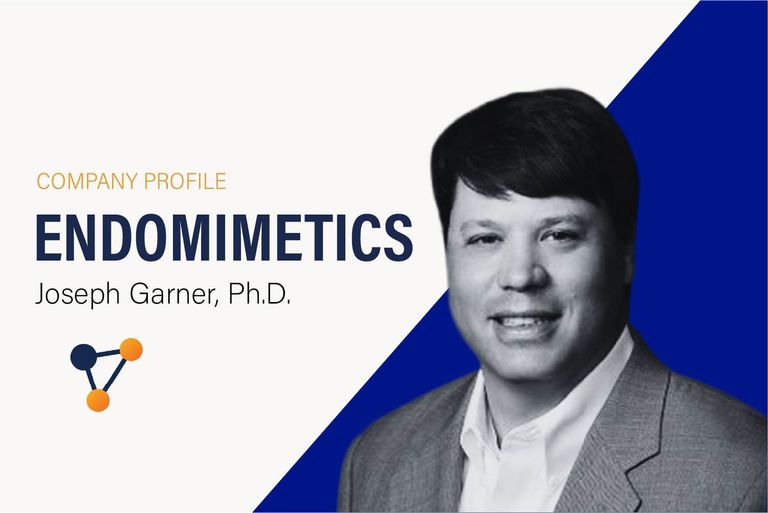
Inside Endomimetics: From One Biomaterial to a Biotech Portfolio
A conversation with Endomimetics CEO Joseph Garner, Ph.D. Nearly 60% of arteriovenous fistulas fail to mature. These surgically created connections between an artery and a vein are a lifeline for dialysis patients, but when they fail, patients may need additional procedures and prolonged use of temporary catheters. Endomimetics’ Bionanomatrix gel reduced intimal hyperplasia, a major cause of fistula failure, by more than 70% in rodents while improving vein diameter

What Happens When Your Watch Becomes a Medical Tool?
Everyday wearables are gaining medical capabilities, opening new possibilities for early detection and care between appointments. The watch that delivers your text messages can now flag patterns suggesting high blood pressure. The band you wear to track workouts can record an electrocardiogram. FDA-cleared medical features are becoming part of devices people are already wearing. That creates a different starting point for care. A potential problem can surface before someone

Inside Gibson Oncology: From a Compound Library to a Phase II Brain Cancer Trial
A conversation with Gibson Oncology President and CEO Randall B. Riggs Glioblastoma is the most common and most aggressive primary brain tumor in adults. Roughly 13,000 Americans are diagnosed each year, median survival runs 15 to 18 months, and fewer than one in ten patients are alive at five years. For those whose disease returns, there is no established standard of care. Part of the reason is access. The

The Psychedelic Drug Race Is Moving Beyond the Molecule
Session length, staffing, support requirements and repeat dosing may determine which treatments reach patients at scale. Psychedelic drugs are moving closer to FDA approval. Now comes the harder test: building treatment models that healthcare systems can actually deliver. That challenge was the focus of a recent FDA public hearing on the potential therapeutic use of psychedelic drugs in supervised settings. The agency sought input on provider training, patient monitoring, insurance
Takeda Sets the Benchmark for a New Class of Sleep-Wake Medicines
Takeda secured the first U.S. approval. Alkermes and Lilly are testing how far orexin receptor agonists can extend beyond narcolepsy type 1. Takeda’s Orzeyful recently became the first orexin receptor agonist approved in the United States for narcolepsy type 1, introducing a treatment that directly targets the biological pathway disrupted by the disease. Narcolepsy type 1 is caused by the loss of neurons that produce orexin, a signaling
Two Pills Take on Markets Built by Injections
Two pills use different molecular strategies to compete in markets established by injected therapies. In less than four months, the FDA approved two pills built around different approaches to oral drug design. Eli Lilly’s Foundayo activates the GLP-1 receptor with a nonpeptide small molecule. Merck’s Lipfendra delivers a macrocyclic peptide orally to block PCSK9. Both drugs enter classes whose clinical value was established largely by injected therapies.